By Jacob Miller | May 19, 2026
The Backdrop: Supreme Court Strikes Down Tariffs
The case is based on the sweeping tariffs imposed by the Trump administration in 2025 that caused many consumer electronics companies, like Sony, to increase prices of their products in the US market. Those tariffs have since been deemed unconstitutional by the Supreme Court, which ruled against using the International Emergency Economic Powers Act as the legal basis for the measures.
The ruling then set up a process for companies to file claims and receive refunds for tariff costs they had already paid. And it is this refund scheme that is the subject of the new legal action against Sony.
What the Complaint Says
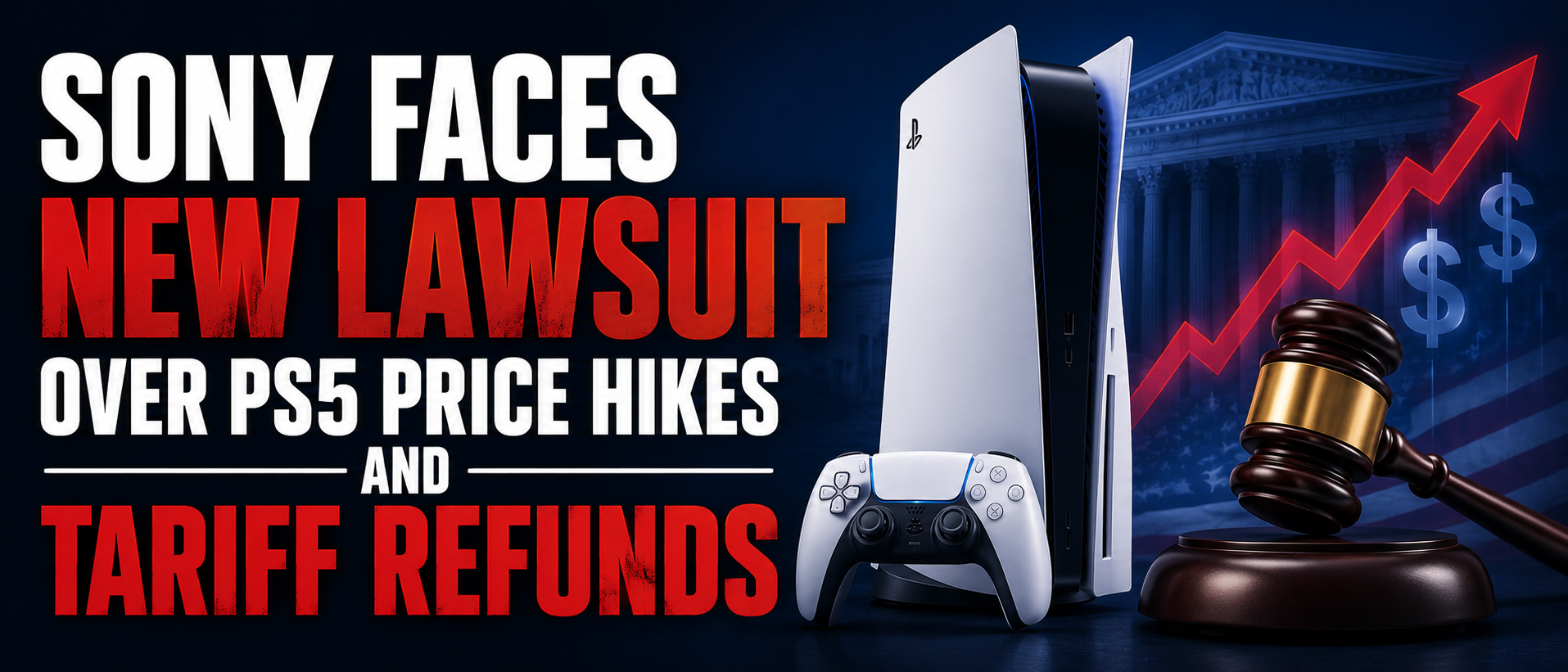
The class action lawsuit claims Sony stands to make a massive financial windfall from the now-illegal tariffs, money that the plaintiffs claim should be returned to consumers, not kept by the company. The crux of the argument is simple: Sony increased the price of the PlayStation 5 family of consoles to offset the cost of the tariffs, so consumers effectively paid that cost. Now that those tariffs are being refunded, the lawsuit argues that the extra money customers paid during the period of inflated pricing should be returned to them rather than going directly to Sony's bottom line.
The lawsuit seeks refunds for all consumers who bought a PlayStation 5 console at the higher price during the period of the tariff.
History of Sony in Law
This is not the first time Sony has been on the receiving end of major legal action. In recent years, the company has faced class action lawsuits over pricing practices on the PlayStation Store, issues with controller drift in its DualSense controllers, and a legal challenge from a former developer linked to the Destiny franchise. Some of these cases have been dismissed, while others have been settled.
Most recently, a lawsuit that claimed Sony created a monopoly by limiting sales from third parties on its platforms has settled with a preliminary agreement that would see Sony pay 7.8 million dollars to impacted consumers.
Sony Is Not Alone in Tariff Lawsuits
The legal pressure on Sony over tariff refunds is part of a much broader trend emerging in the American consumer economy. In a nearly identical lawsuit against Nintendo, the plaintiffs argue the gaming giant should refund tariffs to consumers who paid more for Nintendo products during the same period. Other major corporations in different industries are also encountering similar legal challenges, including retail giant Amazon and sportswear brands Nike and Adidas.
At the same time, companies like UPS and FedEx, which also faced legal action over the same issue, have voluntarily pledged to pass along their tariff refunds to affected customers, something that other companies have not done.
What Consumers Should Expect
The outcome of the lawsuit against Sony and the timeline of any potential resolution are highly uncertain. Companies will also have a long process to file for and receive tariff refunds, and it's not yet known how much individual PlayStation 5 owners would receive if the lawsuit were successful or if Sony would decide to voluntarily pass along the savings to consumers.
The tariff situation that has now been overturned has created a very complex legal and financial situation for companies and consumers alike in many industries. It may be some time before the full situation is clear for everyone who has been affected by the pricing increases that were put in place during the tariff time.