By Jacob Miller | Apr 22, 2026
The complaints filed against Build A Rocket Boy reflect the serious concerns raised about the state of the studio prior to the launch of MindsEye, as well as internal turmoil that has now become public; questions continue to be raised about leadership and culture at the heart of this company.
A Bumpy Launch
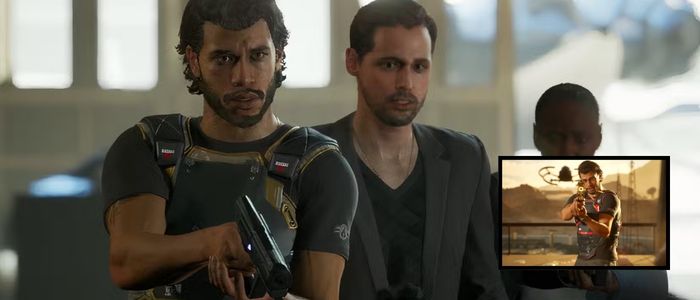
Prior to being involved in legal battles, Build A Rocket Boy experienced a high-profile failed launch of their first title, MindsEye. Currently, the game is holding an OpenCritic score of only 33 on PlayStation 5, which will likely end up as one of the lowest-rated releases of 2025. Many believe it was built up to high critical expectations, given that Benzies was involved with developing many successful games like Grand Theft Auto V.
The industry is still scratching its head on how the development and subsequent negative reception of MindsEye came to be. In the months after launching, complaints about how the games were made came to light, and that the studio was not being led in a good way. They received a lot of bad press about their production, but they continue to say their problems had nothing to do with the way they ran the company or made decisions.
Tracking Software Found
At the center of the current litigation with the studio is a program called Teramind that had monitored employees' computers. Employees began to realize that there was something wrong with their computers because they started running slower than normal, and began to track down what the problem was. They were able to track down the problem and discover there was a hidden tracking program on their computer.
This all became worse when an internal company meeting was leaked to the press and showed the studio head Mark Gerhard and studio president Leslie Benzies telling employees that the Teramind software had been put on their computers without any employee ever giving the company permission to access their system in the first place.
The local union that is representing the affected employees (IWGB Game Workers Union) claimed that the Teramind software recorded a variety of activities, including your keystrokes, what was on your screen, and what was being said close to the computer with a microphone.
These employees were working remotely at the time, which made the situation even more troubling since their private and personal lives could have been recorded with no reviews or justification. In March, management pulled the software from all computers following an outcry from approximately 40 employees. However, the studio itself has not provided any information regarding the status of any data that may have been taken from employees while the software was still active.
Vocally Opposed to the Studio by Unions
The IWGB Game Workers Union does not approve of these types of monitoring, calling them an extraordinary breach of faith and an infringement of a worker's fundamental rights. In a public statement, the union asserted that using a tracking system is unwarranted for productivity monitoring and has exceeded the authority for allowing data to be collected beyond its original intent under the data protection laws, while degrading the dignity of the workforce.
According to Chris Wilson, Lead Cinematic Animator at the studio and a member of the union, Build a Rocket Boy has one of the most hidden cultures of secrecy and micromanagement of any studio he has ever worked for in 20 years of being in the game industry.
He went on to say that the "very frightening" discovery of hidden software created an overall sense of distrust within the team, making it that much harder to create a top-quality product. As a result, the union is now requesting that the company provide a clear explanation of why it was installed in the first place and what will happen to any data that was collected.
Been Placed on External Entities (Management)
In response to the rising number of claims against the studio, the community has heard that the leadership team from the studio is attempting to deflect blame back to the original game and themselves as victims of a conspiracy. Co-CEO Mark Gerhard has stated many times that MindsEye's bad launch was due to organized espionage and corporate sabotage from a small group of individuals, as opposed to failures within the company as a whole.
The studio alleges that the conspiracy was being executed by a corporation referred to as Ritual Network (identified by Gerhard) to ultimately destroy the success of MindsEye from an external location. The studio claims to have gathered what it calls overwhelming evidence of the alleged sabotage, and it is working with law enforcement in both the United Kingdom and the United States.
The studio's plans to release a mission within an in-game title, Blacklist, which Gerhard claims will provide players with evidence of the alleged betrayal against MindsEye, caused a stir throughout the gaming industry. Gerhard has also described the need for surveillance software as a means of identifying the "one percent" of people within the company that have been responsible for the debacle.
292-Person Layoffs Amount To Legal Pressure
The privacy issue is part of a much broader legal battle, which could result in the studio potentially losing millions of dollars. The union has made additional court filings regarding how Build a Rocket Boy dealt with the firing of approximately 300 staff members. The new filings level very serious accusations against Build a Rocket Boy regarding unlawful blacklisting of employees, unfair treatment of employees, and failure to engage in collective consultation with the union as required by law during mass layoffs.
This legal action follows an earlier open letter published in December 2025 by workers accusing Studio leadership of what has been described as "poisonous" management. While management has blamed the company's difficulties on outside interference, former employees who have spoken publicly about their time at Build a Rocket Boy contend that there are much deeper issues at the company, including prolonged "crunch" conditions and a complete lack of company direction at the highest levels.
A Studio in Crisis
After a failed game launch, hidden security software, union legal filings, and massive layoffs, Build a Rocket Boy is in serious financial trouble. A studio that was once viewed as a rising star of open-world game development and was founded by Leslie Benzies, a credible figure in the industry, is now better known for its disputes with the union and employee dissatisfaction than for any games that may ultimately come from the studio.
Because of additional layoffs and increasing bizarre claims of outside sabotage, the future of Build a Rocket Boy and any game projects that are currently in production is in very serious doubt. Build a Rocket Boy is currently facing a significant contrast between the promise of what they initially wanted to accomplish and what they are currently accomplishing, and the ongoing legal battles will largely dictate if Build a Rocket Boy can find a path forward or if they will continue to disintegrate due to their internal divisions.
What This Means for the Gaming Industry
The situation at Build a Rocket Boy has some parallels to the turbulence seen in the gaming industry in general, with mass layoffs and increased scrutiny about working conditions becoming regular topics of conversation within the media. However, the more unique aspect of the allegations at Build a Rocket Boy—namely, the use of hidden monitoring software on home computers—has resulted in increased interest in following the litigation in this case due to how extreme this type of employee manipulation is compared to what is typically seen in the gaming press.
This case is already receiving attention from worker advocacy groups and legal scholars who believe this case will serve as a test case regarding how far an employer can go to monitor remote employees and what the penalties will be for an employer crossing a clear legal or ethical line.
For the thousands of individuals employed in the video game industry, the outcome of this case will be significant in terms of workplace rights and establishing minimum standards that all studios should meet regarding how they treat the individuals who develop the video games.
The Road Ahead for Building a Rocket Boy
As the legal process continues and the company continues to face an increasing amount of pressure from multiple sources simultaneously, Build a Rocket Boy has a difficult decision to make regarding how to proceed moving forward. They will continue to face legal challenges, a severely damaged reputation in the industry, and a reduced workforce as a result of the massive layoffs that took place last summer.
Whether the company's leadership can successfully implement this strategy of attributing blame to others while justifying their surveillance practices as necessary in a legal forum is yet to be seen. However, it is clear that Build a Rocket Boy has one of the most difficult roads ahead of them, and the moves they make in the upcoming months will ultimately define what type of long-term future, if any, will be available to the employees and the projects they plan to execute.